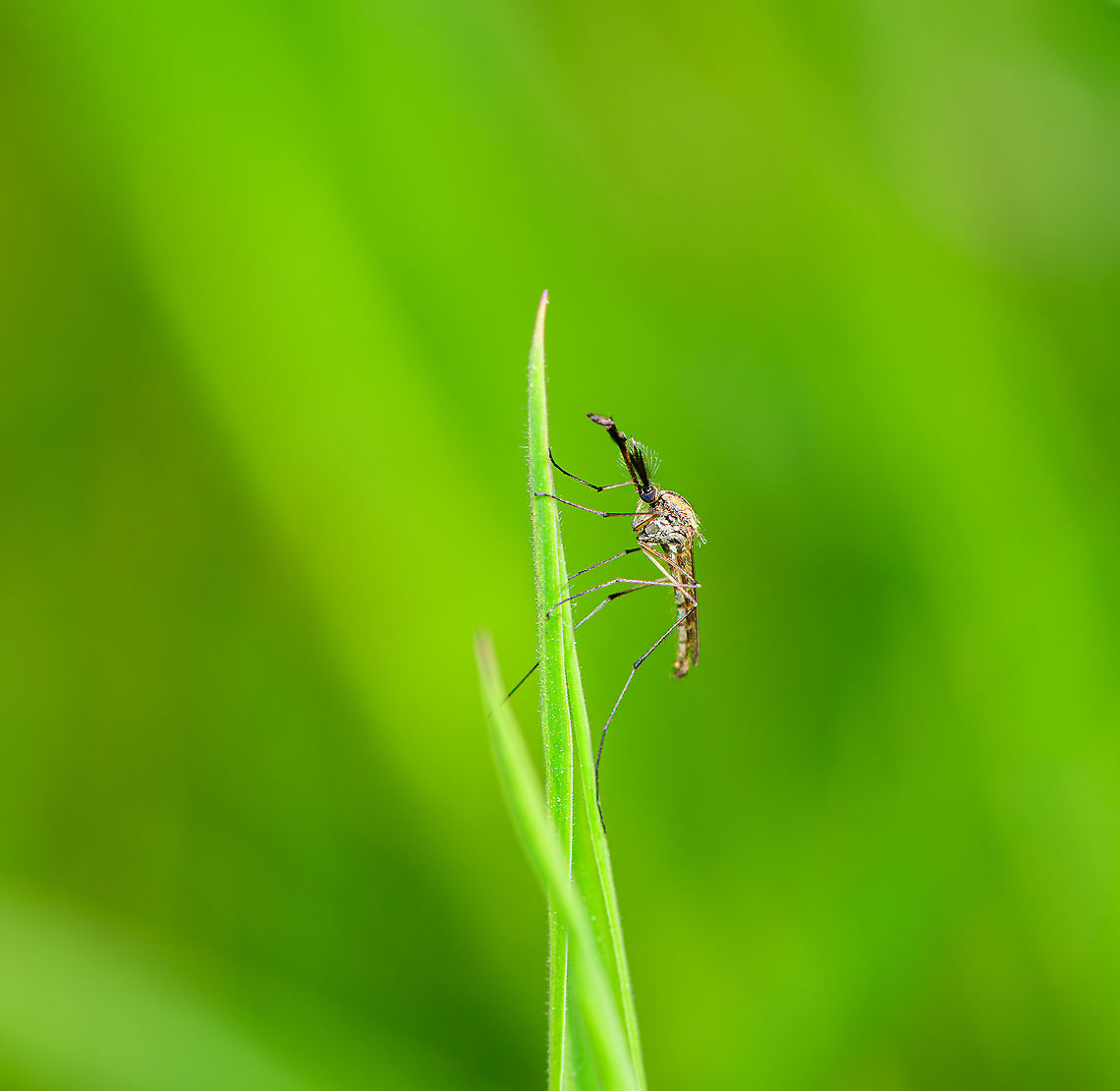
No species identified
The species on this photo is not identified yet. When signed in, you can identify species on photos that you uploaded. If you have earned the social image editing capability, you can also identify species on photos uploaded by others.

By Ferdy Christant
All rights reserved
Uploaded May 14, 2020. Captured Apr 25, 2020 16:15.

comments (11)
Larvae look like this:
https://inhabitat.com/wp-content/blogs.dir/1/files/2015/01/Mosquito-Larvae.jpg
Pupae look like this:
https://0201.nccdn.net/1_2/000/000/12b/e1f/Jesus-Reyes-IAEA-Imagebank-AEG-05810452.jpg
If you see any larvae or pupae, use a container to scoop them out quickly. It works better to use a mesh net, if you have one...You can get a small, cheap one in a pet store (aquarium section). Then, you would just need to bring them home and keep an eye on them. If you have larvae, it's best to also collect some leaf litter/debris from the water. When the pupae get darker in color, you'll know that the adult is about to emerge.
Also - the eggs...Individual eggs will be too difficult to collect, especially since not all will actually be in the water. But, if you see any egg rafts, you can easily scoop them out with a spoon:
https://www.pestworld.org/media/561700/culex-egg-raft-and-larvae.jpg
What would probably be easiest for you, is to put a small container of water in a shady spot of your yard. Throw a couple leaves in there or some dirt (just a bit). Then, if you have any container-breeding mosquitoes in the area, you may get lucky and have them laying eggs in the container. **Just make sure to put the container in a Spyke-proof spot. Posted 5 years ago
Or maybe even closer to home. My second mini pond in the garden is in a shaded area. Perhaps they make their way there, fingers crossed. Posted 5 years ago