JungleDragon is a nature and wildlife community for photographers, travellers and anyone who loves nature. We're genuine, free, ad-free and beautiful.

Join

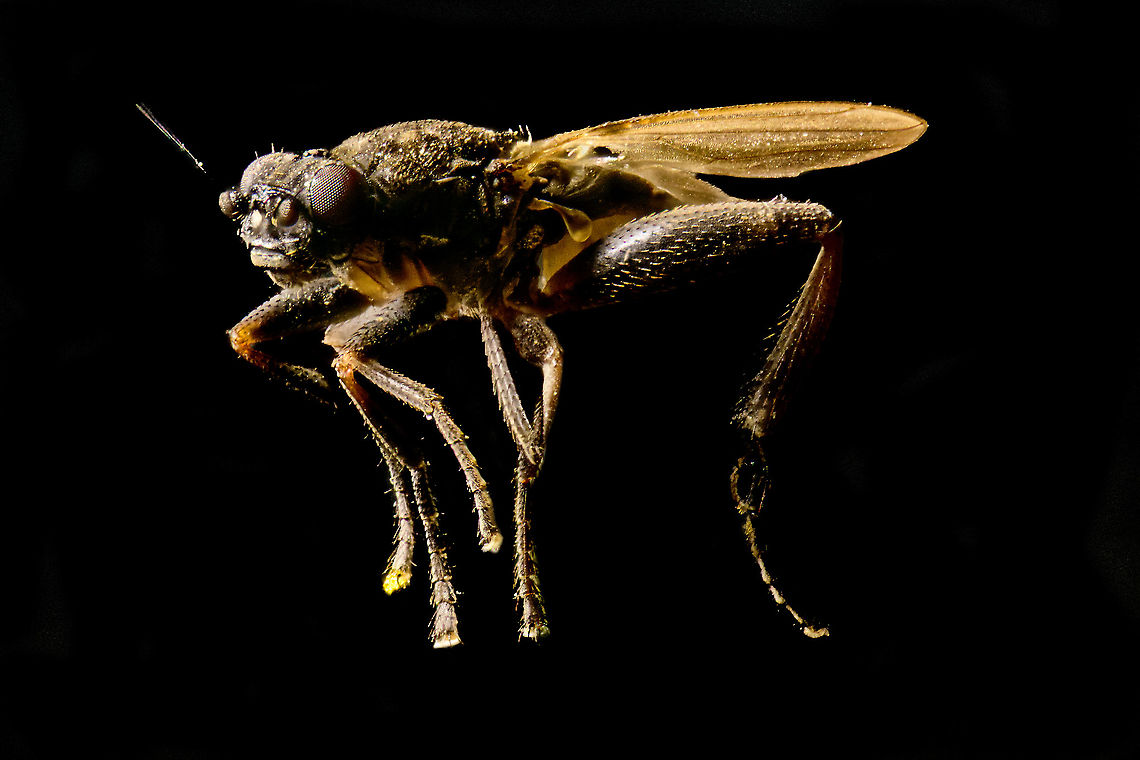
Tiny fly (5:1), Heesch, Netherlands This is my first 5x macro insect stack. The end result is really quite bad, and I was in doubt to post it all. I&#039;m posting it anyway, as it perhaps has some species value (even if unattractive), and I&#039;ll also throw in some technical notes.<br />
<br />
A few weeks ago, there weren&#039;t really many insects to be found so I set my targets on this tiny fly found indoors. It&#039;s a fruit fly sized fly, although I am unsure whether it is actually a fruit fly, I suspect it isn&#039;t. To the naked eye, it&#039;s a tiny black stripe.<br />
<br />
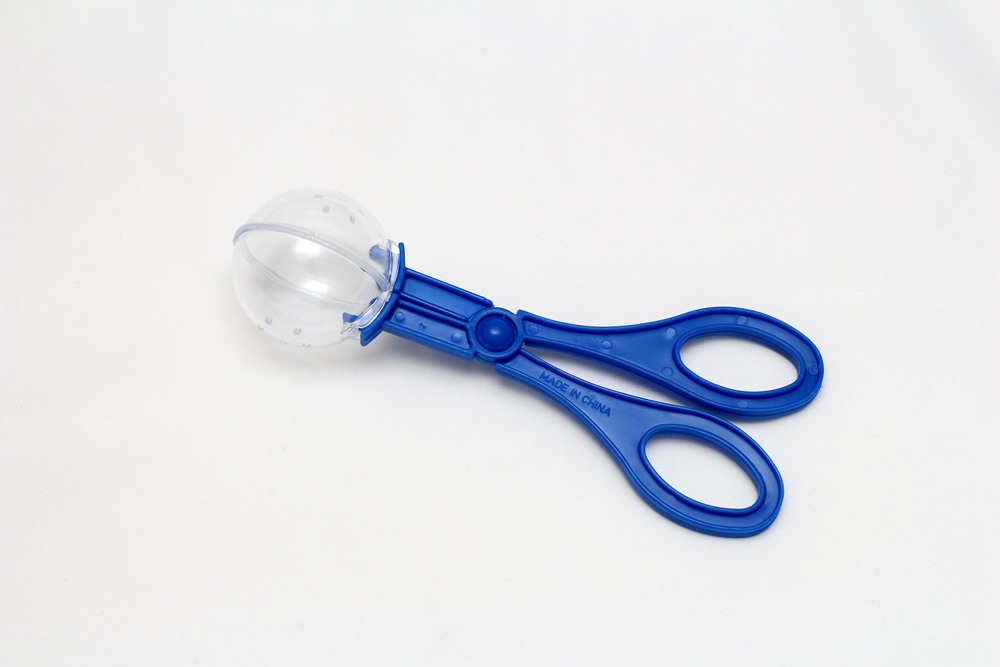
I figured to catch it with a little tool I recently acquired:<br />
<a href="https://www.wemacro.com/wp-content/uploads/2016/09/catch-clamp1.jpg" rel="nofollow">https://www.wemacro.com/wp-content/uploads/2016/09/catch-clamp1.jpg</a><br />
<br />
In my attempt to snap it inside, I crushed the fly on the edge of the bowl. The odds of that happening given this tiny fly are close to none, but leave it up to me to rise to unprecedented levels of clumsiness. Anyway, that&#039;s why the fly looks so bad, several of its legs are broken due to this poor handling.<br />
<br />
I pierced it in the gut area with a toothpick, as I did not have a fine needle yet. I should have painted it black, it would be easier to remove it in post processing. For a size reference, a toothpick at 5x macro is about the size of a tree.<br />
<br />
The next problem is the lack of a background. At 5x macro, you basically don&#039;t have a background, yet there&#039;s better ways to handle this, which I&#039;m still discovering. <br />
<br />
Magnification: the only good thing about this image is that it does show things impossible to see with the naked eye or even with 1:1 macro. Yet it also shows the limits of 5:1 macro. 5x macro feels impressive, but this subject really is too small for it. For now, my rough take is that topics 1-2cm or bigger are best for this level of magnification. Indeed, when checking high quality extreme macro photos of fruit flies and the likes, most are using 10:1 macro. That said, I&#039;ve learned better techniques now so perhaps in time I can also cover  the 5mm range in better quality.<br />
<br />
Finally, optically quality is poor. It&#039;s not particularly sharp, details are lacking. It&#039;s a smudge. This largely is the result of poor continuous lighting in combination with a too slow shutter speed for 5:1 macro. So far, I&#039;m having better luck with flash lighting, more to follow on that.<br />
<br />
I&#039;ll let you have a laugh at this first insect stack, yet I shall come back with a revenge. Extreme Macro,Heesch,The Netherlands Click/tap to enlarge

Tiny fly (5:1), Heesch, Netherlands

This is my first 5x macro insect stack. The end result is really quite bad, and I was in doubt to post it all. I'm posting it anyway, as it perhaps has some species value (even if unattractive), and I'll also throw in some technical notes.

A few weeks ago, there weren't really many insects to be found so I set my targets on this tiny fly found indoors. It's a fruit fly sized fly, although I am unsure whether it is actually a fruit fly, I suspect it isn't. To the naked eye, it's a tiny black stripe.

I figured to catch it with a little tool I recently acquired:
https://www.wemacro.com/wp-content/uploads/2016/09/catch-clamp1.jpg

In my attempt to snap it inside, I crushed the fly on the edge of the bowl. The odds of that happening given this tiny fly are close to none, but leave it up to me to rise to unprecedented levels of clumsiness. Anyway, that's why the fly looks so bad, several of its legs are broken due to this poor handling.

I pierced it in the gut area with a toothpick, as I did not have a fine needle yet. I should have painted it black, it would be easier to remove it in post processing. For a size reference, a toothpick at 5x macro is about the size of a tree.

The next problem is the lack of a background. At 5x macro, you basically don't have a background, yet there's better ways to handle this, which I'm still discovering.

Magnification: the only good thing about this image is that it does show things impossible to see with the naked eye or even with 1:1 macro. Yet it also shows the limits of 5:1 macro. 5x macro feels impressive, but this subject really is too small for it. For now, my rough take is that topics 1-2cm or bigger are best for this level of magnification. Indeed, when checking high quality extreme macro photos of fruit flies and the likes, most are using 10:1 macro. That said, I've learned better techniques now so perhaps in time I can also cover the 5mm range in better quality.

Finally, optically quality is poor. It's not particularly sharp, details are lacking. It's a smudge. This largely is the result of poor continuous lighting in combination with a too slow shutter speed for 5:1 macro. So far, I'm having better luck with flash lighting, more to follow on that.

I'll let you have a laugh at this first insect stack, yet I shall come back with a revenge.

    comments (6)

  1. I think for a first go at it you have done very well . So keep at it and soon it will all be perfect. All you images will be needle sharp and many of us will think of venturing into the field of stacking images. Posted 5 years ago
    1. Thank you for the support, Ernst. Perfect I don't expect to achieve, just a lot better than this. I hope to not inflict stacking as a hobby on anyone, it sucks the life out of you :) Posted 5 years ago
  2. I agree with Ernst! I think you're doing awesome. Actually, when I saw the thumbnail for this photo, I immediately said, "Ohhhh". I know it's not perfect, but I like it! And I love your effort and dedication!

    Also, this fly might be in the family Sphaeroceridae (dung/corpse flies)...I hope you washed your hands afterwards ;P.

    Anyway, the long wing cells and 5 o'clock shadow on the hind femur makes me think of that family, but I could be wrong. It reminds me of Lotophila sp., but I don't even know if you have that genus in your area.
    Posted 5 years ago, modified 5 years ago
    1. Thanks, Christine.

      This type of magnification brings an additional challenge, how to possibly identify something few will have detailed photos of. Your ID suggestions are extremely valuable here, may I know what would be a starting point? Or did you just happen to know?
      Posted 5 years ago, modified 5 years ago
      1. Honestly, it was just a guess based on a couple features. Plus, they are tiny and the family is found worldwide. And, of course, these flies are "gross", and I specialized in gross bugs. Fun fact: the flies in this family can be important decomposers and even be useful in forensics.

        But, I think I may be wrong because one characteristic for this family is a thick first tarsomere on the hind leg. I can't see that feature on your fly....well, I sort of can, but I'm not sure if the tarsomere is in fact enlarged or just wonky/damaged.
        Posted 5 years ago
        1. Alright, thanks! Posted 5 years ago

Sign in or Join in order to comment.

No species identified

The species on this photo is not identified yet. When signed in, you can identify species on photos that you uploaded. If you have earned the social image editing capability, you can also identify species on photos uploaded by others.

View Ferdy Christant's profile

By Ferdy Christant

All rights reserved
Uploaded Apr 19, 2020. Captured Mar 14, 2020 15:01.
  • NIKON D850
  • f/1.2
  • 1/50s
  • ISO1600
  • 50mm