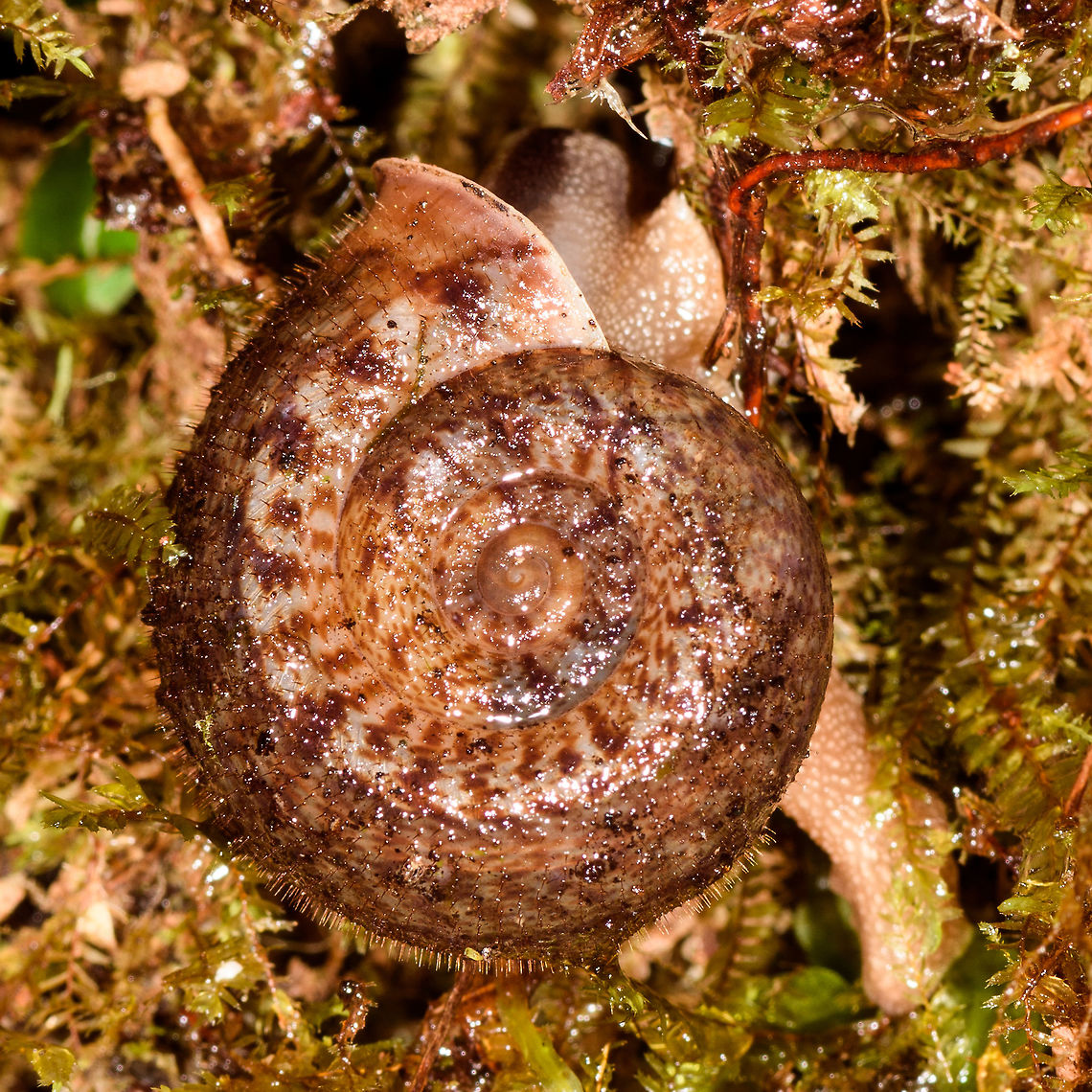
Snail on mossy tree, Rio Ñambi, Colombia
Not sure what to say about this snail, so will go completely off-topic :)
This snail's anatomy is a possible example of a universal "design" constant of which the value is 1:1.618. This expresses a ratio between a sub part in relation to a total part. For example, the length of your forearm divided by the total length of your entire arm.
The ratio value of 1.618 is claimed to be often found in nature, from universe level to micro level:
https://www.canva.com/learn/wp-content/uploads/2015/10/08-tb-800x0.jpeg
This "golden ratio" is often seen by graphic and web designers as some universal or natural attractive way to size things in relation to each other. For example, small text in relation to larger text may be sized 1.6 times smaller based on this theory. It will then supposedly look balanced, natural, attractive. This number, named "phi" goes beyond modern design, it also includes architecture, geometry and art.
There's plenty of criticism on the theory though. Once known, some people have the tendency to backport reality into this constant.
However, should you ever not having any idea at all how to size things in relation to each other, the value is 1.618. When asked why, I've just given you ammunition to come across as incredibly smart.
The go-to species example demonstrating "phi" is the Chambered Nautilus:
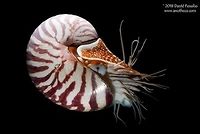
Yet it requires a look inside these "chambers" to see why:
https://media.springernature.com/original/springer-static/image/art:10.1007/s00004-018-0419-3/MediaObjects/4_2018_419_Fig8_HTML.jpg
No species identified
The species on this photo is not identified yet. When signed in, you can identify species on photos that you uploaded. If you have earned the social image editing capability, you can also identify species on photos uploaded by others.


comments (3)
I've never given much thought to the golden ratio, but remember learning in art school that a lot of Renaissance artists used it, especially da Vinci. Posted 6 years ago