JungleDragon is a nature and wildlife community for photographers, travellers and anyone who loves nature. We're genuine, free, ad-free and beautiful.

Join

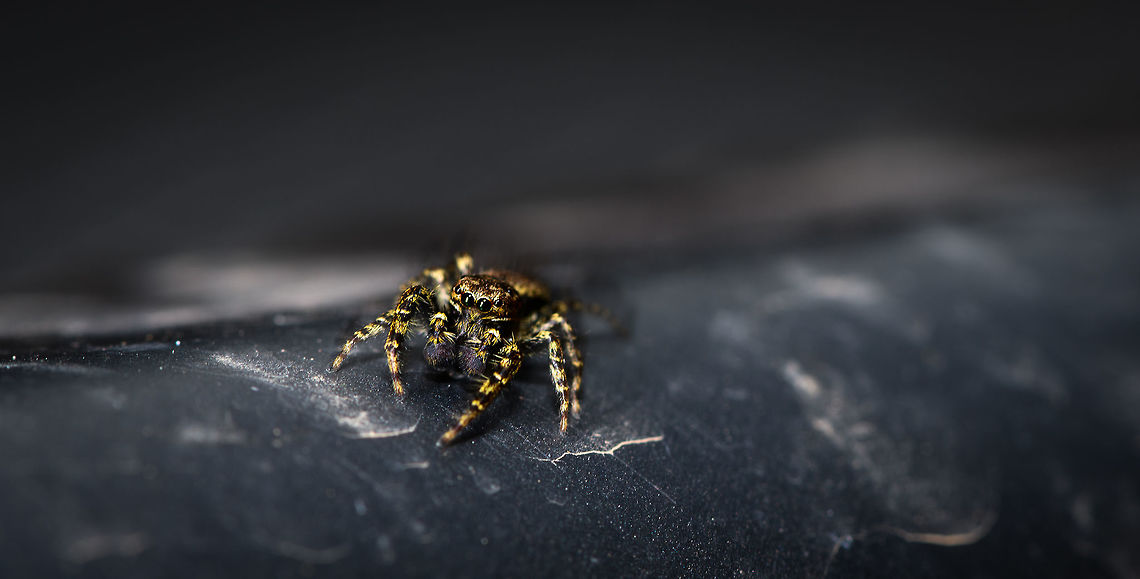
Blood Rain, Heesch, Netherlands I&#039;m intentionally not identifying the main subject on this photos because I actually want to discuss the sand in this scene. For the spider, please visit this post:<br />
<figure class="photo"><a href="https://www.jungledragon.com/image/67356/male_marpissa_muscosa_challenging_pose_heesch_netherlands.html" title="Male Marpissa muscosa, challenging pose, Heesch, Netherlands"><img src="https://s3.amazonaws.com/media.jungledragon.com/images/2/67356_thumb.jpg?AWSAccessKeyId=05GMT0V3GWVNE7GGM1R2&Expires=1770854410&Signature=2Vs0QgrEb8M8tPDk%2FV8eV4FWgSk%3D" width="148" height="152" alt="Male Marpissa muscosa, challenging pose, Heesch, Netherlands Henriette and I were having dinner inside the house when this little cutie was gliding down the sides of the table. I usually don&#039;t actively stage live insects, but I figured this one asked for it. I trapped it in a glass and put the glass on our table in the garden. It wouldn&#039;t cooperate and kept running frantically inside the glass so I gave it back its freedom, a fair level playing field where it could flee my attempt to photograph it. Luckily, it didn&#039;t immediately. Quite the contrary, it&#039;s a cocky one.<br />
<br />
It took me a long while to identify this one as the female seems to be much more often photographed. The male can be identified based on its smaller size, large black chelicerae (mouthparts), eye arrangement and pattern on the abdomen. Furthermore, finding it inside the house is another clue as this is one of few species in the Netherlands often encountered inhouse.<br />
<br />
https://www.jungledragon.com/image/67354/male_marpissa_muscosa_heesch_netherlands.html<br />
https://www.jungledragon.com/image/67355/male_marpissa_muscosa_-_top_view_heesch_netherlands.html<br />
https://www.jungledragon.com/image/67357/male_marpissa_muscosa_-_posing_heesch_netherlands.html<br />
https://www.jungledragon.com/image/67358/male_marpissa_muscosa_-_top_view_ii_heesch_netherlands.html Europe,Heesch,Marpissa muscosa,Netherlands,World" /></a></figure><br />
<br />
This is a magnified view of the edge of our garden table, taken on August 8, 2018, one of the hottest days in the Netherlands in recorded history. The fine-grained sand you see on the table is sand coming all the way from the African Sahara Desert. Powerful storms in the Sahara can sling up fine sand kilometers high up into the atmosphere. Then, depending on wind direction, it regularly reaches Europe and rains down. <br />
<br />
This is a relatively common occurrence in southern Europe, yet very rare for it to reach a country as far north as the Netherlands. Since 1900, less than 20 cases have been formally confirmed. It is speculated by many people to occur far more often, yet often they mistake pollen raining down from the air with sand. Hence, you need a formal weather report to be sure it is indeed &quot;Blood Rain&quot; (or &quot;Wonder Rain&quot;). Here&#039;s the report (in dutch):<br />
<a href="https://nieuws.nl/algemeen/20180807/saharazand-dwarsboomt-hitterecord/" rel="nofollow">https://nieuws.nl/algemeen/20180807/saharazand-dwarsboomt-hitterecord/</a><br />
<br />
The report mentions about 10.000 tons of sand about to rain down on the Netherlands (the report is one day before this photo), the equivalent of 500 truck loads.<br />
 Europe,Heesch,Natural events,Netherlands,World Click/tap to enlarge

Blood Rain, Heesch, Netherlands

I'm intentionally not identifying the main subject on this photos because I actually want to discuss the sand in this scene. For the spider, please visit this post:
Male Marpissa muscosa, challenging pose, Heesch, Netherlands Henriette and I were having dinner inside the house when this little cutie was gliding down the sides of the table. I usually don't actively stage live insects, but I figured this one asked for it. I trapped it in a glass and put the glass on our table in the garden. It wouldn't cooperate and kept running frantically inside the glass so I gave it back its freedom, a fair level playing field where it could flee my attempt to photograph it. Luckily, it didn't immediately. Quite the contrary, it's a cocky one.<br />
<br />
It took me a long while to identify this one as the female seems to be much more often photographed. The male can be identified based on its smaller size, large black chelicerae (mouthparts), eye arrangement and pattern on the abdomen. Furthermore, finding it inside the house is another clue as this is one of few species in the Netherlands often encountered inhouse.<br />
<br />
https://www.jungledragon.com/image/67354/male_marpissa_muscosa_heesch_netherlands.html<br />
https://www.jungledragon.com/image/67355/male_marpissa_muscosa_-_top_view_heesch_netherlands.html<br />
https://www.jungledragon.com/image/67357/male_marpissa_muscosa_-_posing_heesch_netherlands.html<br />
https://www.jungledragon.com/image/67358/male_marpissa_muscosa_-_top_view_ii_heesch_netherlands.html Europe,Heesch,Marpissa muscosa,Netherlands,World


This is a magnified view of the edge of our garden table, taken on August 8, 2018, one of the hottest days in the Netherlands in recorded history. The fine-grained sand you see on the table is sand coming all the way from the African Sahara Desert. Powerful storms in the Sahara can sling up fine sand kilometers high up into the atmosphere. Then, depending on wind direction, it regularly reaches Europe and rains down.

This is a relatively common occurrence in southern Europe, yet very rare for it to reach a country as far north as the Netherlands. Since 1900, less than 20 cases have been formally confirmed. It is speculated by many people to occur far more often, yet often they mistake pollen raining down from the air with sand. Hence, you need a formal weather report to be sure it is indeed "Blood Rain" (or "Wonder Rain"). Here's the report (in dutch):
https://nieuws.nl/algemeen/20180807/saharazand-dwarsboomt-hitterecord/

The report mentions about 10.000 tons of sand about to rain down on the Netherlands (the report is one day before this photo), the equivalent of 500 truck loads.

Sign in or Join in order to comment.

No species on this photo

It has been indicated that there is no species on this photo.

View Ferdy Christant's profile

By Ferdy Christant

All rights reserved
Uploaded Oct 6, 2018. Captured Aug 8, 2018 18:35.
  • NIKON D850
  • f/16.0
  • 1/60s
  • ISO64
  • 105mm